

Planting and choosing salt tolerant trees and shrubs species along roads and driveways requires an additional consideration due to potential salt damages and injuries that will occurring during their lifetime. Trees affected by salt will have stunned appearance and reduce growth as well as many will succumb due to higher doze of salt in soil or on trees itself. It is very important to plan ahead and plant trees that are best suited to handle higher amount of salt that they can be exposed. You must understand biology, growth, and site requirements for each species planted along roads or driveways.
Where to plant salt tolerant species
It is crucial to plant more salt tolerant species along roads and driveways as they will protect less salt tolerant species from salt damages. Less winter hardy plants are more susceptible to salt injuries. If you plant trees along very busy roads start with salt tolerant shrubs as first line of defense; following salt tolerant trees and further away the trees that at least salt tolerant. Little planning ahead will save you a lot of headache down the road and will allow you have a long lasting shelterbelts/trees around your property.
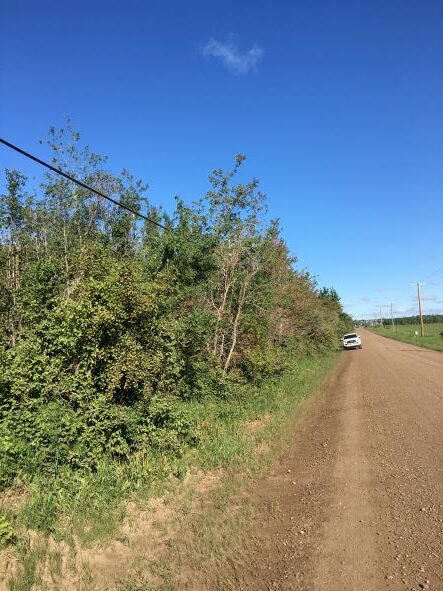
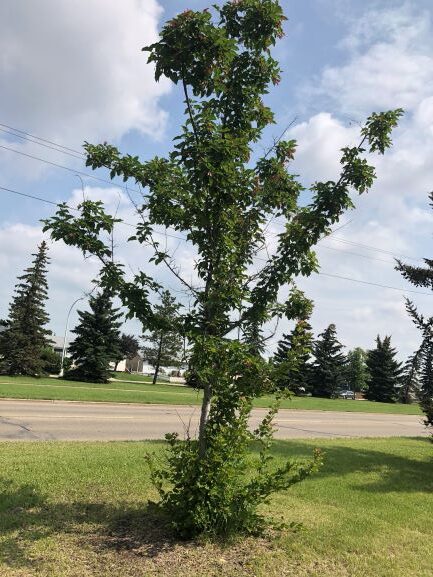
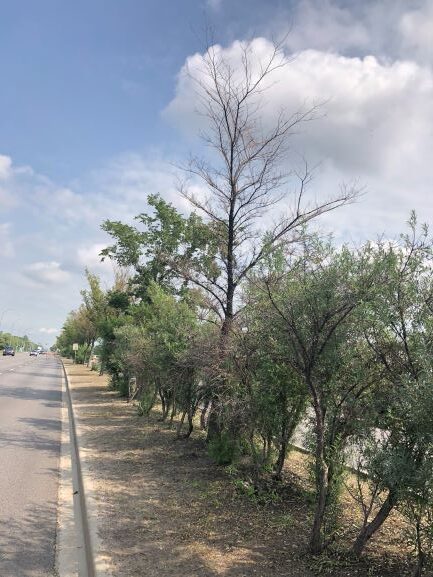
Be Aware
It is important to recognize that all plant species—including herbaceous plants, shrubs, and trees—are affected by salt in the soil. While certain species demonstrate a higher tolerance to saline conditions than others, salt exposure will still influence their overall health, growth, and long-term survival. Elevated salt levels can disrupt normal plant functions by interfering with water uptake, causing nutrient imbalances, and potentially leading to leaf burn, reduced growth, and decline over time.
Although some plant species are considered relatively salt-tolerant, it is important to understand that tolerance does not mean immunity. There are currently no tree or shrub species that can thrive in soils with high to extremely high salinity. In areas where salt accumulates regularly—such as locations exposed to annual road de-icing operations or dust control treatments—soil salinity levels can become excessive, creating conditions that are unsuitable for the healthy establishment and long-term sustainability of most landscape plants.
In addition, several tree and shrub species that show higher salt tolerance are known to be aggressive or invasive in certain regions. These invasive species can spread rapidly, outcompete native vegetation, and negatively impact local ecosystems if not properly managed. For this reason, it is essential to verify the suitability of any proposed species before planting. Property owners and land managers should consult with local municipalities, provincial authorities, or environmental agencies to confirm whether specific tree and shrub species are permitted or restricted in their area.
Careful plant selection, proper site assessment, and adherence to local regulations are critical steps in environments where soil salinity may be a concern.
What To Choose
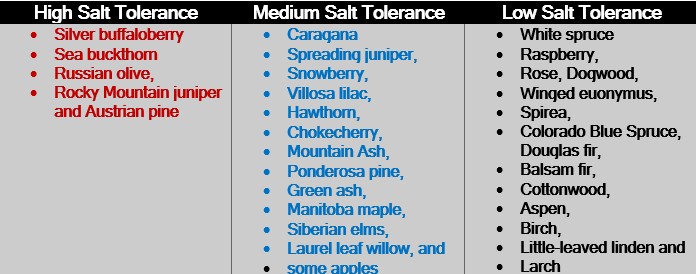
Trees and shrubs rated to salt tolerance as high, medium and low:
How Can We Help?
Our professional and experienced Tree Expert and ISA Certified Arborist offers a full range of consulting and advisory services to help you keep your trees healthy. Hire Tree Expert/Arborists to help to choose a tree and recommending a solution that’ll meet its specific needs