

European Elm Scale (Eriococcus spurius, also known as Gossyparia spuria)
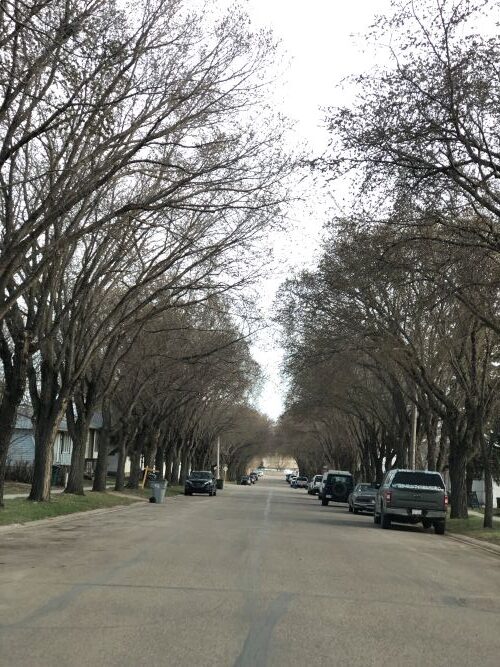
Elm trees contribute significant aesthetic and ecological value to cities, towns, and farms. These majestic trees are easily recognized by their umbrella-shaped crowns, thick, furrowed bark, and distinctive leaves with uneven bases at the leaf stalk—an identifying characteristic of all elm species. The European elm scale is an invasive insect introduced from Europe to the United States in 1884, and it has since spread rapidly across North America. This pest can cause considerable damage to elm trees throughout the Prairie Provinces.
Pest ID
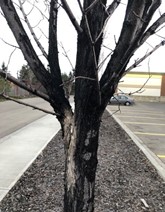
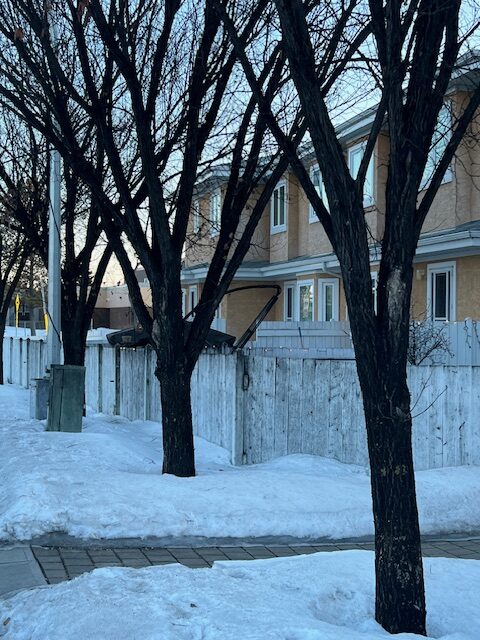
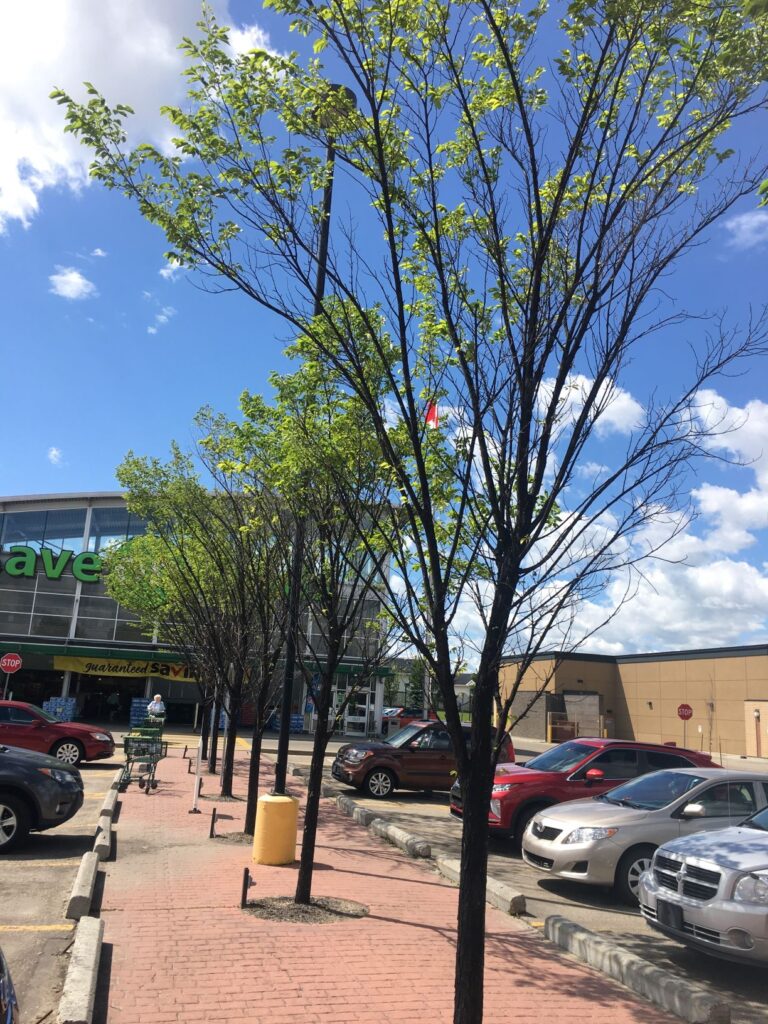
European elm scale is relatively easy to identify and is known to attack only elm trees. From a distance, heavily infested trees often appear to have dark black branches or stems compared to the normal brown or gray coloration of healthy trees. This dark appearance results from the growth of sooty mold, which develops on the honeydew excreted by the insects as they feed on sap from branches and leaves.
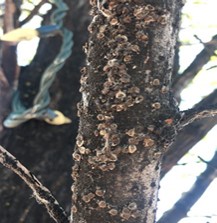
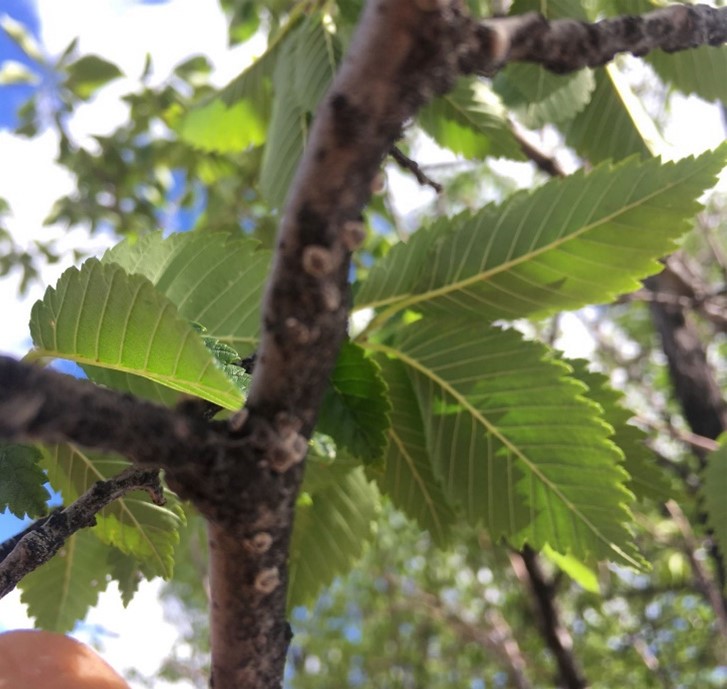
Upon closer inspection, the scales appear brown and are surrounded by a distinctive white waxy fringe around the body. This feature clearly distinguishes European elm scale from other scale insects, which lack this prominent waxy margin. The mature scale can reach up to 10 mm (approximately 5/16 inch) in length, with males typically smaller than females.
European elm scale has a one-year life cycle. Adult females overwinter in protected areas such as bark crevices or twig notches, where they remain until the following growing season.
Symptoms
This insect can significantly reduce growth, kill branches and eventually kill trees. There are several symptoms to recognize that elm trees are under the attack of this insect:
- The dark black colour of bark on branches or trunk due to soothing mold growing on honeydew
- Sticky honeydew secretion on leaves, bark, sidewalks, vehicles or nearby structures
- Yellowing of the leaves will lead premature leaves drops
- In springtime, leaves are developing later compared to healthy trees
- Branch dieback and the very thin canopy is usually a symptom of a very heavy infestation
Management
In Alberta, you are not allowed prune elm trees between April 1 to September 30. So any pruning of affected trees should be done after these dates. There are several management options for the control of the European Elms scales:
- Keep elm trees healthy by regular watering and if necessary adding fertilizer to boost growth and vigor of affected trees. Watering is critical during a drought period
- Use a pressure water gun to remove overwinter female’s scales to produce new eggs once leaves drop or before spring bud break. Make sure that you don’t excessively damage bark during this process especially on young trees
- To kill overwinter nymphs you can use dormant horticulture oil early in spring before bud breaks or in fall when leaves drop. When you apply horticulture oil, you need to be conscious of the weather. Weather is a critical factor when using horticultural oil. The temperature should be above 0 Celsius and there is no rainfall in the weather forecast with 24 hours allowing oil to dry
- On very small trees you can use a dry brush to physically remove scale instead of using water pressure or horticulture oils
- Use of insecticidal soap to kill crawlers as foliar control
- To protect trees you may use insecticide. For any chemical control, you may hire a professional pest licensed company to inject insecticide in the tree or for performing foliar spraying
- Avoid root damages and soil compaction which overall will negatively impact the health and vigor of the elm tree